
The Pakistani Stone
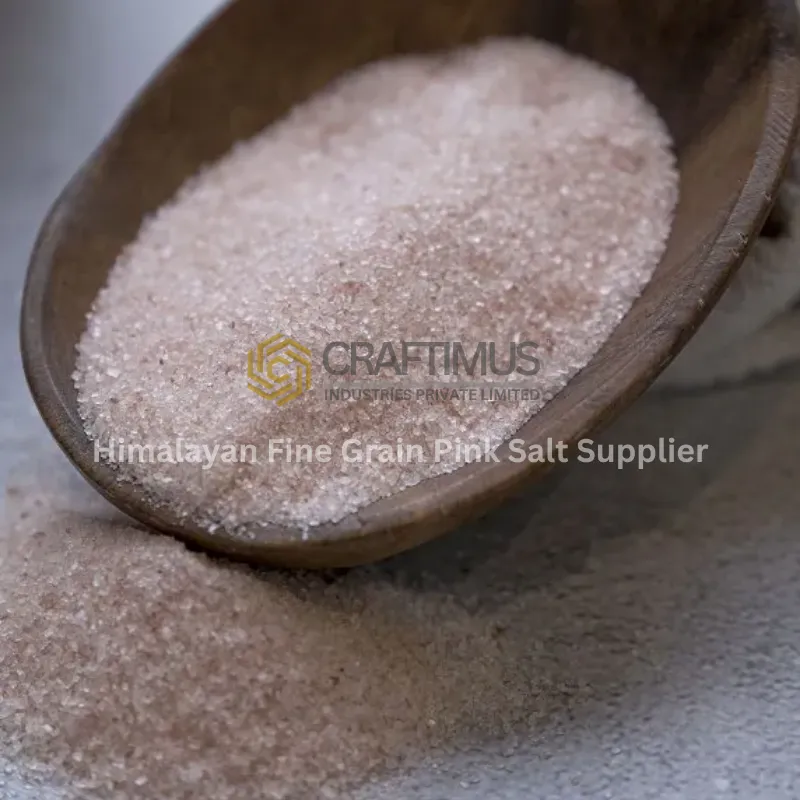
Himalayan Pink Salt Fine Grain: A Practical Guide for Importers, Brands and Chefs
Over the last decade, Himalayan Pink Salt Fine Grain has moved from niche health stores into mainstream kitchens, food factories and restaurant menus. Buyers today are not just looking for “any salt” – they want a reliable, natural product with consistent quality, clean processing and a trustworthy supply chain, especially when sourcing from Pakistan.
This guide explains what makes fine grain Himalayan pink salt valuable for the food industry and how importers, brands and chefs can evaluate suppliers.
From Mountain to Table: How Fine Grain Himalayan Pink Salt Is Produced
Himalayan pink salt is mined from ancient rock salt deposits in Pakistan, formed millions of years ago when sea water evaporated and crystallised. Large salt blocks are extracted from the mines, then transported to processing facilities where they are:
Crushed and ground into smaller particles
Screened and sieved to achieve a consistent fine grain size
Cleaned and processed under food-grade hygiene standards
Packed into consumer packs or bulk bags, ready for local and export markets
For buyers, understanding this basic flow is important. It’s not only about the mine; it’s also about how carefully the salt is processed, graded and packed for final use.
Why Grain Size Matters in the Food Industry
In the salt trade, grain size is a technical detail that directly affects performance in the kitchen and in industrial food applications.
Fine Grain vs Extra Fine vs Coarse
Fine Grain Himalayan Pink Salt
Ideal for everyday cooking, table shakers, spice blends, snacks, sauces and bakery items. It dissolves quickly and seasons food evenly.Extra Fine Himalayan Pink Salt
Even smaller particles, suitable for delicate bakery recipes, instant mixes, specific industrial formulations, and applications where a very fast dissolve rate is required.Coarse Himalayan Salt
Better suited for grinders, brines, curing, or visual finishing where larger crystals are desired.When food brands or importers place orders, specifying exact grain size helps avoid performance issues later, especially in automated production lines.
Key Quality Parameters Buyers Should Check
Whether you’re purchasing fine grain or extra fine Himalayan pink salt, there are a few practical checks that serious buyers focus on:
Purity & cleanliness
Minimal foreign particles, controlled moisture and low insoluble content.Consistent grain size
Proper sieving ensures uniform particle size, which is essential for machinery, mixing and packaging.Color and appearance
Natural pink tones with no unusual grey or black contamination. Slight variation in shade is normal because it’s a natural product.Food-grade processing
Clean handling, proper washing (if applicable), stainless-steel contact surfaces, hygienic packing areas.Certifications (if required)
Many international buyers look for compliance with standards like HACCP, ISO, Halal and local food regulations in the destination country. (You can highlight the exact certifications you hold in a separate page or product section.)Doing these checks up-front reduces risk and builds long-term trust between supplier and buyer.
Where Fine Grain Himalayan Pink Salt Is Used
Because of its fine texture and mild taste, this salt is now used across different parts of the food supply chain.
Home & Professional Kitchens
Chefs and home cooks use fine grain Himalayan pink salt in:
Everyday cooking (curries, soups, rice, pasta, vegetables)
Salads and marinades
Baking and dough preparation
Table shakers as a natural alternative to refined salt
Its quick solubility and natural pink color make it popular as a premium table salt.
Food Manufacturers & FMCG Brands
In factories and processing plants, fine and extra fine Himalayan salt is used for:
Spice and seasoning blends
Snack foods and chips
Sauces, pickles and condiments
Instant noodles, soups and ready mixes
Bakery items, bread, biscuits and crackers
Here, flowability, grain size and consistency matter just as much as taste.
Horeca, Distributors & Private Labels
Distributors, wholesalers and private label brands often purchase in bulk from Himalayan pink salt exporters in Pakistan, then repack into their own branded pouches, jars or grinders. Stability of supply and predictable quality are critical in these relationships.
Global Demand and the Role of Pakistani Suppliers
Pakistan holds some of the largest and best-known Himalayan rock salt deposits in the world, so international demand naturally flows toward Pakistani suppliers. Importers from the Middle East, Europe, North America and Asia increasingly look for:
Long-term contracts for fine grain and extra fine salt
Private label opportunities under their own retail brands
Bulk shipments for industrial usage
For buyers, working directly with a processing and export facility in Pakistan can mean better control over specifications, packaging and pricing – compared to dealing only with middlemen in third countries.
How to Choose a Reliable Himalayan Pink Salt Supplier
If you’re shortlisting suppliers for Himalayan Pink Salt Fine Grain, here are practical points to evaluate:
Production capability
Do they only trade, or do they actually process and pack the salt themselves?Range of grain sizes
Can they offer fine, extra fine and coarse, or even custom sizes for your application?Quality and documentation
Can they share specifications, lab reports or test results where required?Packing flexibility
Do they supply both bulk (25–50 kg bags, jumbo bags) and retail/private-label packaging?Export experience
Are they familiar with export documentation, container loading, pallets, fumigation (if needed) and international shipping terms?Communication & support
How quickly do they respond, and do they understand your market’s requirements (labelling, languages, regulations, etc.)?A strong supplier should be able to clearly explain their process, share product data and support you from sampling to full container loads.
Final Thoughts: A Small Crystal with Serious Potential
For many buyers, Himalayan Pink Salt Fine Grain is no longer just a trend – it’s a stable, long-term product line. The combination of natural origin, trace minerals, visual appeal and strong consumer recognition makes it attractive for both retail and industrial use.
If you work with salt as a brand owner, importer, food manufacturer or chef, paying attention to grain size, processing quality and supplier reliability will directly affect your final product.
You can explore our dedicated product pages for:
Himalayan Pink Salt Fine Grain (for everyday cooking and food production)
Extra Fine Himalayan Pink Salt (for specialised industrial and bakery applications)
and choose the specification that best suits your market and recipes.
About youngerbrother

